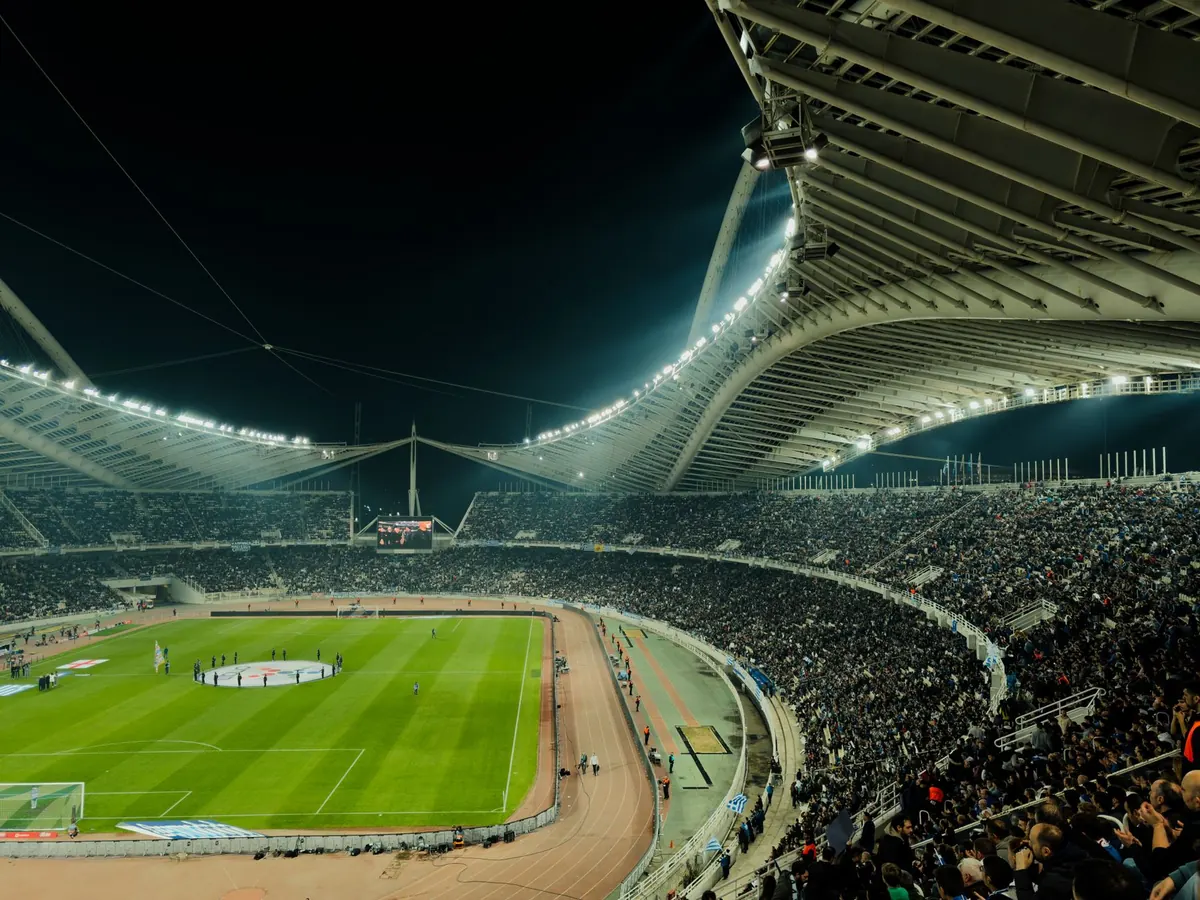
Derby day in the Vale has its own rhythm. Cars start arriving earlier than they should, the clubhouse kettle goes on before anyone has checked the pitch, and somebody's uncle is already standing behind the goal, warming up his opinions about the referee. If you have never been to a local derby, it can feel like a private party you have wandered into by mistake. It isn't. Turn up, pay at the gate, and you are part of it.
What follows is a straightforward guide for newcomers: what a Vale derby actually is, how to find out when the next one is played, what the grounds are like, how the money side works, and the small bits of etiquette that mark out someone who has been before.
What counts as a derby round here
Any two clubs whose grounds sit close enough that the players know each other's families counts as a derby. Across the Vale the football map runs through Barry, Penarth, Llantwit Major, Cowbridge, Dinas Powys, Sully and the villages in between, so there is rarely a season without at least a couple of fixtures that mean more than three points.
Derbies come in three rough shapes. There is the same-town fixture, where two clubs share a postcode and half a squad's worth of former teammates. There is the short-hop rivalry, usually a town club against the village up the road, with a decade of grudges behind it. And there is the cup draw: nothing sharpens a local tie like a knockout competition, because someone has to go out.
They matter more lower down the pyramid. In professional football, the league table does most of the talking. At local level, a derby is often the biggest crowd of the season and the result people still mention in the pub in February. Expect a bit more noise, a bit more needle in the tackles, and a pitch that looks like it has been watered by the weather rather than a sprinkler.
Finding out when the next one is played
Fixture lists move. A cup run, a waterlogged pitch or a frozen Saturday morning can wipe out a match with a day's notice, so treat any single source as a starting point rather than gospel.
- Club channels first. Most local clubs post kick-off times, venue changes and late postponements on their own website or social media before anywhere else.
- League websites. The relevant league's fixtures page is usually the most reliable place for dates and results across a whole division.
- The clubhouse noticeboard. Old-fashioned, but still where reserve and youth fixtures get pinned up first.
- Ring ahead for the big ones. If a match is likely to attract a crowd, a quick call or message to the club will tell you about parking, entry and whether it is all-ticket.
Kick-off times vary by level and by time of year. Saturday afternoons are the norm, with midweek evenings under floodlights once the clocks change. Check before you travel, not after.
The grounds: what to expect
Grassroots and village grounds
You will usually find a railed pitch, one small covered stand if you are lucky, a clubhouse doing teas and maybe a bacon roll, and a tea hut that may well be cash only. Standing on the touchline puts you an arm's length from play, which is part of the appeal: you can hear the centre-half organising his back four and the manager muttering to himself.
Facilities are basic. Toilets may be a portable block. Seating may be a bench. Bring a waterproof, because covered standing is a luxury and the Vale weather does not negotiate.
Bigger local grounds
Step up a level or two and you get proper turnstiles, a seated stand, a tea bar that takes card, a bar in the clubhouse, and stewards. Crowds are still modest by professional standards, which means you can usually turn up twenty minutes before kick-off and stand wherever you like.
Tickets and how the money works
Admission prices vary by level and change from season to season, so check the club's own website for current rates rather than an old listing. The structure, though, is fairly consistent:
- Adults pay the standard gate price, usually on the day.
- Concessions cover children, students, over-65s and sometimes serving forces or season-ticket holders from other clubs. Bring ID if you are claiming a student or age rate.
- Under-fives often go free, and family deals are common at grassroots level.
- Programmes are a pound or two and worth it if you want the line-ups.
- Extras add up quickly: raffle tickets, half-time draw, tea, chips. Budget for it and you will not be caught short.
Take cash even if the club advertises card payments. Tea huts, raffles and 50-50 draws are frequently cash-only, and the nearest ATM is often a drive away.
Matchday etiquette for new faces
Local football is a community event, and the unwritten rules exist to keep it that way. None of this is complicated.
- Do not stand in front of the dugouts. The technical area belongs to the managers and the linesman's run.
- Give the ball back promptly. If it comes to you, return it to the nearest player or throw it to the taker. Do not boot it into the next county.
- Mind your language. Youth teams, families and small children are everywhere. Stewards will say something, and they are entitled to.
- Leave the referee alone. Clubs are responsible for their spectators and can be fined or charged for persistent abuse. Shouting at a volunteer with a whistle is not the same as shouting at a professional.
- Ask before photographing children. If a junior or youth side is playing, check with the club before taking pictures or posting them online.
- Check the alcohol rules. At licensed grounds, drinking is often confined to the clubhouse and cannot be taken pitchside. Follow the signs rather than the crowd.
- Keep off the pitch. Before, during and after, unless the club has invited supporters on.
Getting there, parking and the practical bits
Most local grounds sit in residential streets, so park with some thought: do not block driveways, do not park on verges, and do not assume the school car park down the road is fair game on a Saturday. Walking the last few minutes is normal and saves a lot of awkwardness.
Arrive twenty minutes early for a derby. That gives you time to find a spot, buy a programme, work out which end the home support favours and get a cup of tea before the teams come out. If you are bringing children, stand away from the busiest touchline section and check the height of any railings. Bring a waterproof, wear layers, and remember that floodlit midweek games get cold fast once you stop moving.
Before you go: a short checklist
- Check the club's own channel for kick-off time and any late change.
- Confirm the venue and, for bigger fixtures, whether it is pay-on-the-gate.
- Take cash for entry, the raffle and the tea hut.
- Plan parking a few streets away and walk in.
- Arrive early, stand clear of the dugouts, and enjoy it.
Derby day is the best introduction to local football you will get. The standard will not be Premier League, the pitch may be heavy, and the tea will be strong. But you will be watching a match that genuinely matters to the people around you, and that is worth the walk from the car.
Photo: George Zografidis / Pexels