Most pothole reports fail for boring reasons. Not because anyone at the council ignores them, but because "big hole on Station Road" tells an inspector almost nothing when Station Road runs for a mile and a half. Get three things right — the exact spot, a photograph with something for scale, and a plain description of the risk — and you turn a grumble into a logged job with a reference number. It takes about five minutes, and it is far easier to do while you are standing near the hole than while driving past it at speed.
First, check who is actually responsible
Most roads in the Vale belong to the council: residential streets, many A and B roads, village lanes, and the pavements alongside them. Potholes and broken kerbs on those are reported to the highways team.
Trunk roads and motorways are different. In Wales they are managed by the Welsh Government and its trunk road agent rather than the council, so a report sent to the council often gets forwarded on. If you are unsure which category a road falls into, report it anyway with a note asking who owns it. Highways teams are used to that question.
Some surfaces are nobody's business but the landowner's: private driveways, farm tracks, supermarket car parks, and unadopted estate roads. New-build estates are often still with the developer for a period before the council takes them on. The council cannot repair what it does not own, so a polite query to the developer or managing agent is usually the quicker route.
What to put in your report
Vague reports get parked. Specific ones get inspected. Include as much of the following as you can:
- Exact location. Road name, nearest house number or named landmark, direction of travel and lane. "A48 westbound, just past the turning for the garden centre, in the left-hand lane" is useful. "Near the school" is not.
- A postcode or what3words reference. Both pin the spot to within a few metres and save the inspector a search.
- Size and depth. Rough is fine. "About the size of a dinner plate and deep enough to swallow a shoe" tells them more than "large". Note whether water sits in it, which usually means it is deeper than it looks.
- Why it matters. On a bend, in a cycle lane, on a bus route, at a junction, near a school crossing, or in a spot where drivers swerve into oncoming traffic. This affects how quickly it is prioritised.
- How long it has been there. If you first noticed it weeks ago, say so. If it has grown noticeably, say that too.
- Your contact details. Councils often need to come back with a question, and you will usually get a reference number to chase with.
Take two photos, not ten
One wide shot and one close-up beats a dozen near-identical snaps. The wide shot should show where the hole sits in the road — a sign, a junction, a house frontage in the frame gives the inspector context. The close-up should show the hole itself, and something to indicate scale. A coin, a bank card, or your own foot works well.
A few practical points. Park somewhere safe and legal before you get out — do not stop on a bend or in a live lane, and do not stand in the carriageway to frame a shot. Keep your back to the sun so the hole is not a shadow. Get low rather than shooting straight down from standing height. And keep people and number plates out of the picture; there is no need for them, and it only invites problems.
If your phone records location in photo metadata, leave that switched on. Dashcam clips are also useful, particularly for deeper holes that a still photo flattens.
How to submit it
There is rarely only one route, and it is worth using the one that creates a record you can point back to:
- The council website form. Usually the quickest and the one that generates a reference number automatically.
- The phone line. Best kept for something genuinely dangerous — a hole that could take out a cyclist or cause a swerve — where you want a person to hear about it now.
- Email or an app. Some councils take reports by email with photos attached, and a few run their own reporting app.
- FixMyStreet. A national service that logs the report publicly and passes it to the right authority. Handy if you are not sure who to contact.
- Your community council or ward councillor. Not a substitute for a formal report, but a useful nudge when something has been sitting untouched.
One thing worth saying plainly: posting a complaint in a local Facebook group feels satisfying, but it does not create a job. A councillor might spot it and pass it on. Often nobody does.
What happens after you press send
Your report joins a queue and gets triaged. Dangerous defects — deep holes on fast roads, anything on a busy junction or a school route — are inspected first. A shallow surface break on a quiet cul-de-sac will wait longer. An inspector then visits, measures the hole, and decides what kind of repair it needs.
Repairs come in two broad types. A temporary fill using cold-lay material patches the hole quickly and may be all you see for a while. A permanent repair means cutting out the surrounding surface and sealing it properly, which lasts longer but needs drier weather and a scheduled crew. That is why winter often produces a rash of rough patches that are tidied up the following spring.
Timescales vary with weather, budget and the council's own priority policy, so ask what that policy says rather than assuming a fixed number of days. You will not always be told when the work is done. Keep your reference number and check back on it in a few weeks.
If nothing happens
Give it a reasonable period, then follow up with your reference number and the date you first reported it. Keep it short and factual. If the hole has grown, add that to the existing report rather than starting a new one — repeated fresh reports can fragment the history.
If it still goes nowhere, escalate in steps: your ward councillor, then the council's formal complaints process, and beyond that the relevant ombudsman for your area. Community councils can be surprisingly effective here, because they know exactly who to email.
If a pothole has damaged your car
Note the date, time and exact location, photograph the damage and the hole, and keep any repair invoices. You can put in a claim to the council, though councils sometimes defend claims where they can show a reasonable inspection and maintenance record, so do not assume it will be paid. It is worth taking proper advice before pursuing anything significant, and worth telling your insurer either way if the repair is costly.
Do it while you are standing there
The best reports are made on the spot, in five minutes, with a photo attached and a reference number saved in your phone. Note it in your reminders, forget about it, and check back in a few weeks. If the hole reappears after a repair, report it again — a patch that fails is useful information, not a nuisance. One clear, specific report will always beat five angry ones, and it is the version that actually gets a crew out with a lorry.
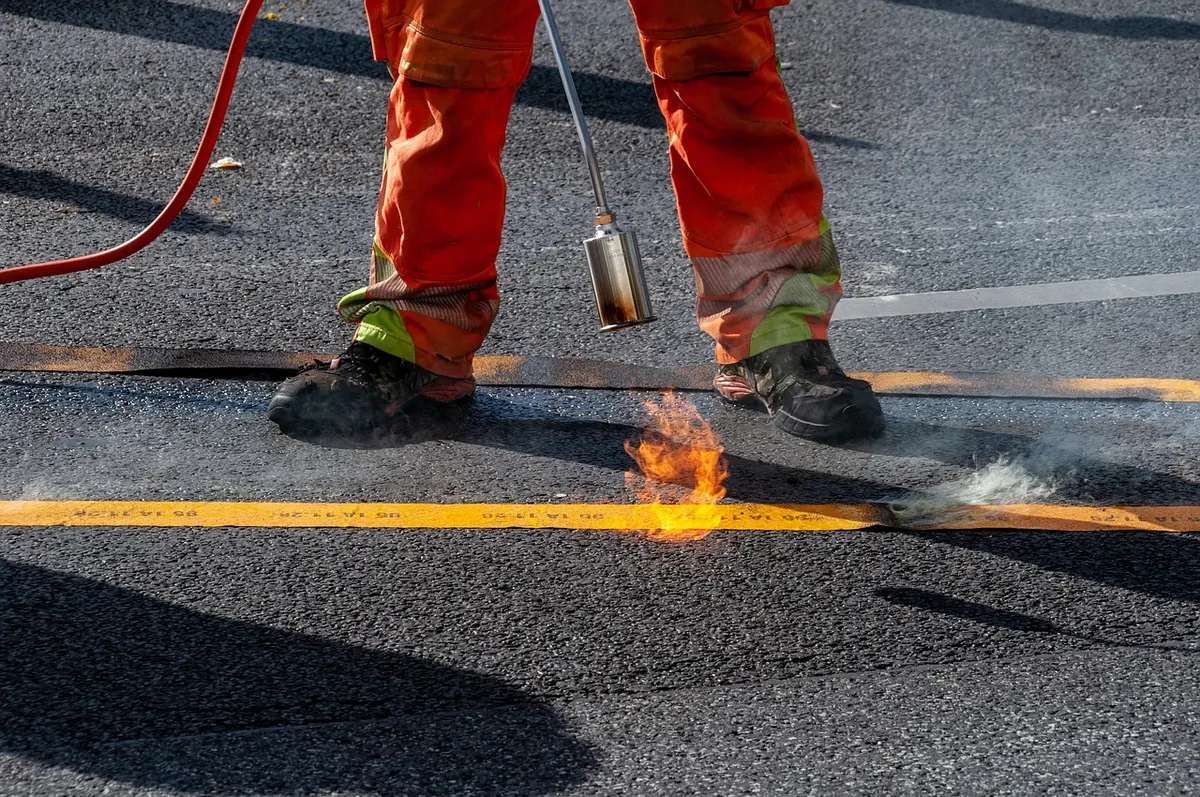
Photo: wal_172619 / Pixabay